When shortlisting universities in Canada, the priority is to focus on the academic reputation, tuition fee, and campus facilities. Aspiring students may at times not consider the weather conditions of the locations of these universities. For students from a temperate zone like India, the icy winters in Canada can impact the education experience, if they have not prepared and planned to in advance to face the weather in advance.
Here is a guide to plan for and combat the extreme winters in Canada:
- Impact of Intense Winters
- Provincial Differences in Weather
- Daily Life and Infrastructure Challenges
- Preparations for Canadian Winters
- Essential Preparations
- Getting Outside
- Picking the Right Province
Let’s dive into each of these properly.
Impact of Intense Winters
- Provincial Differences in Weather
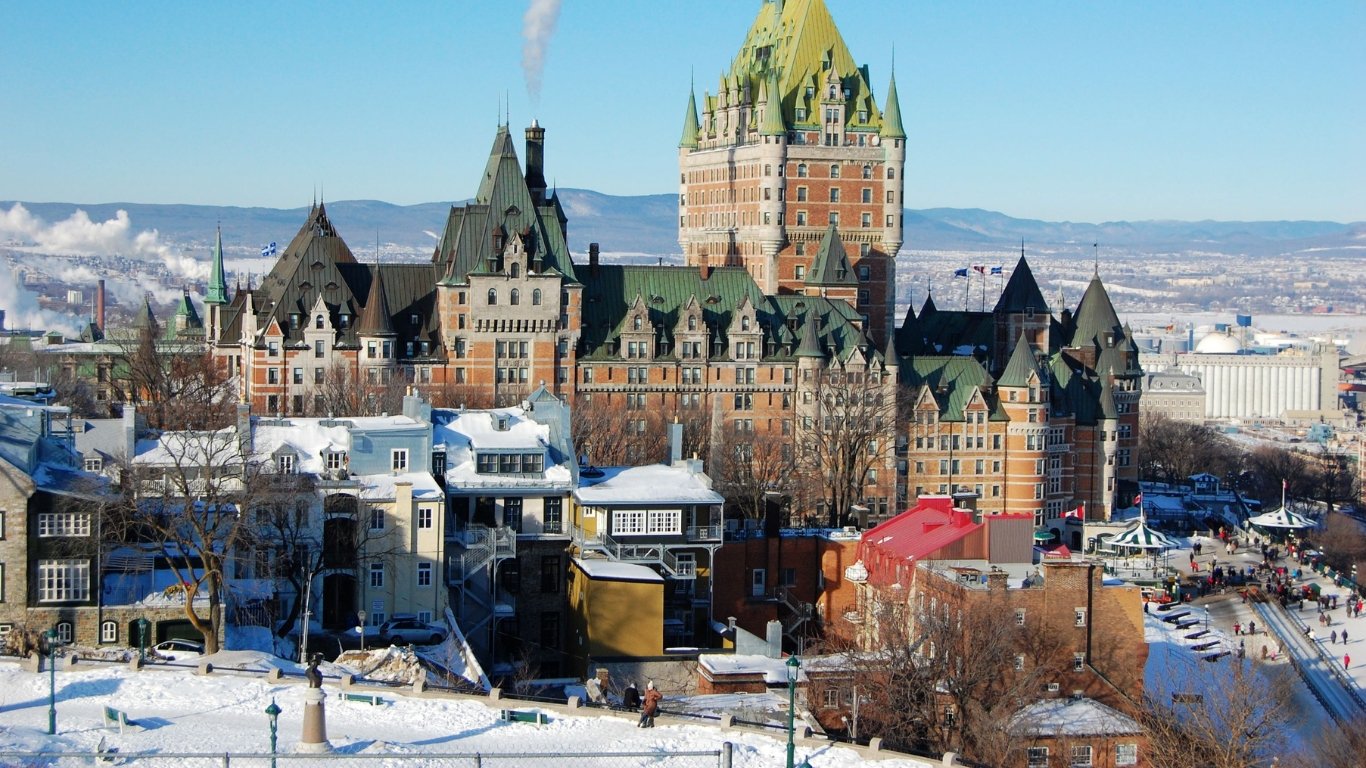
Canada has a vast geography, so its provinces have different weather conditions. Manitoba and Quebec are famous for their chilly winters; temperatures in Manitoba can reach -40°C, accompanied by snowstorms, blizzards, and ice storms. These meteorological incidents can cause inconveniences and turn into health problems from both frostbite and hypothermia. Quebec, too, experiences severe winter with heavy snowfall, leading to the closing of roads and schools.
On the other hand, coastal provinces like British Columbia have very mild winters, with the temperature within the city of Vancouver ranging between 0°C to 5°C, and hence, the winter season can be easily managed. In these areas, there is heavy rainfall and windstorms.
- Daily Life and Infrastructure Challenges
Harsh winter conditions drastically affect life and infrastructure. In most places, heavy snowfall and freezing temperatures cause transportation problems. The power cut-off makes it difficult to access essential services. These conditions can particularly isolate rural communities for days on end. It could also result in students experiencing disruptions while attending classes and university activities and cause problems in sustaining a comfortable living environment.
Moreover, those provinces with frigid winters require residents to have specialized winter equipment. Such equipment could prove quite costly for students. So, an alternative is to meet the cold demands with appropriate clothing like heavy-duty parkas, thermal layers, and insulated boots.
Preparation for Canadian Winters
- Essential Preparations
Students should pack appropriate winter clothing: waterproof jackets, snow pants, and warm accessories like gloves and scarves are a must. However, it is also advisable to buy winter clothing as soon as you land in Canada. As you might find Indian winter wear insufficient to keep you warm. It is not about the quality of Indian clothes but just that India does not have such weather in even coldest of the states, so cloth manufacturers here will not put out winter wear that matches Canadian weather requirements. In addition, a winter emergency kit should be maintained with items like de-icer, flashlights, and non-perishable foods. Another critical step is to ensure that your living place is ‘winterized’: the windows and doors are sealed from the winter draft, humidifiers are in use to prevent dryness in the air, and a stock of emergency supplies is in place in case of a power outage.
- Going Outside
The winters are challenging but, simultaneously, they offer many unique experiences that add value to university life. Most provinces thrive on winter sports cultures. Sports activities such as ice skating, skiing and snowboarding spring in different corners of the province. Have a go at these, and you are likely to get back on your fitness track with fun.
- Picking the Right Province
While choosing the right universities for yourself, do not overlook the climate in the various provinces and whether they fit your preferences. For instance, if you come from a tropical country and have trouble with winters, then you should prefer universities based in milder regions like British Columbia. On the other hand, if you’re eager to face the challenging Canadian winters and are excited about actively participating in winter sports, you might opt for the provinces of Quebec or Manitoba.
Conclusion
Living conditions and weather are essential factors affecting a student’s experience in Canada. As discussed above, while winters can prove challenging, they can also open up new avenues for distinct experiences, provided one is prepared and approaches it with the right attitude. Keeping the differences in climatic conditions of each province will help you make an informed choice and make your university stay comfortable and enjoyable. Remember, staying warm is as important as staying smart while making your decision to study in Canada.